Senate Poised to Vote on Stablecoin Regulation Before Memorial Day
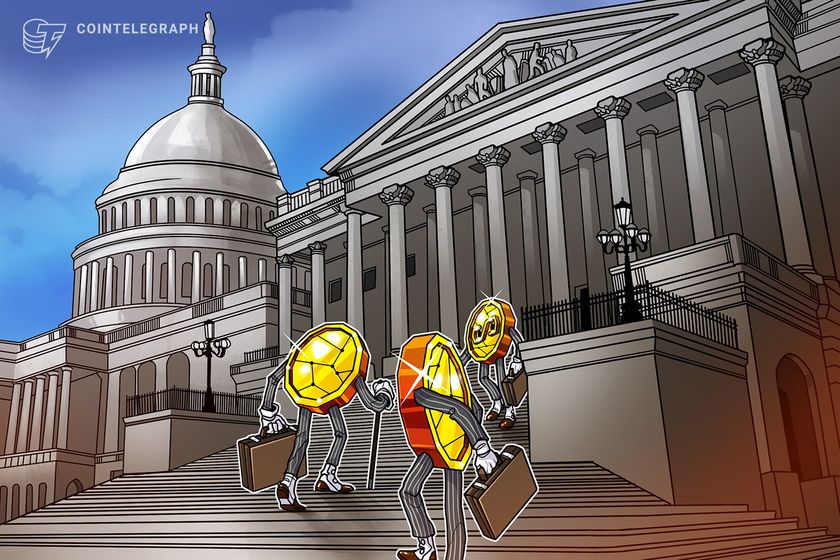
The US Senate is reportedly preparing to vote on a bill regulating stablecoins before the Memorial Day recess on May 26th. This follows an announcement by Senate Majority Leader John Thune to Republican lawmakers during a closed-door meeting, as reported by Politico.
The bill in question, the Guiding and Establishing National Innovation for US Stablecoins (GENIUS) Act, was introduced by Senator Bill Hagerty and successfully navigated the Senate Banking Committee in March. Thune’s statement signals a significant step forward for stablecoin regulation in the US.
While Thune hasn’t publicly commented on the bill, its progress is notable given the ongoing debate surrounding cryptocurrency regulation and the potential implications for the US financial system. The House of Representatives has also proposed a companion bill, the STABLE Act, further highlighting the bipartisan interest in this area.
The GENIUS Act’s potential impact is significant. It proposes to restrict the issuance of payment stablecoins to only ‘permitted payment stablecoin issuers’ within the United States. The implications of this legislation for the crypto market and financial institutions are far-reaching and warrant close attention.
Further Reading: $649B stablecoin transfers linked to illicit activity in 2024: Report
Stablecoin Regulation and Potential Conflicts of Interest
The timing of this vote is particularly relevant given previous executive orders and legislative efforts, including the creation of a working group to study national cryptocurrency policy. The intersection of government policy and the private sector’s involvement in the stablecoin market, including the launch of stablecoins by firms with connections to political figures, continues to generate debate surrounding potential conflicts of interest and the need for clear regulations.
Concerns have been raised about the potential for conflicts of interest, particularly given the involvement of companies associated with political figures in the development and launch of stablecoins. This adds another layer of complexity to the legislative process and emphasizes the importance of transparent and robust regulation in this evolving financial landscape.
Related Article: Trump’s crypto ventures raise conflict of interest, insider trading questions